

One child, one teacher, one book, and one pen can change the world. – Malala Yousafzai.

Women’s History Month and
International Women’s Day
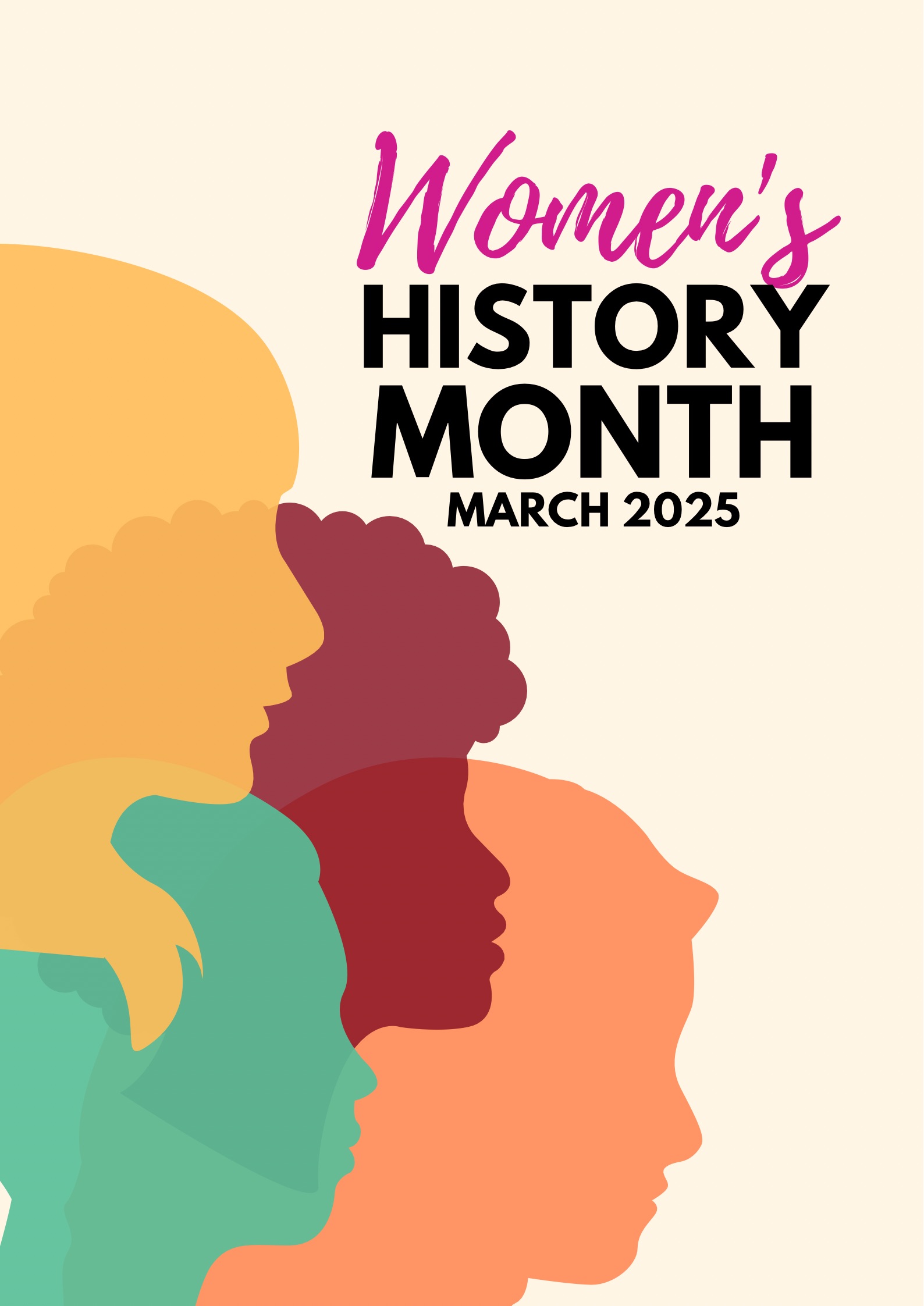
As Mother Earth transforms from blustery winter winds to the verdant greenery of spring, we also have the opportunity to recognize Women’s History Month—a celebration in the United States that honors women’s contributions, past and present.
This year’s theme is “Moving Forward Together! Women Educating & Inspiring Generations.” While there are many incredible women (far too many to list in one newsletter), I wanted to focus on a few who made a difference in education and gender equality.

Alice Freeman Palmer
A pioneer for women’s rights and education, Alice Freeman Palmer taught herself to read at age three by listening to her parents read the newspaper aloud.
In 1872, she was admitted to the University of Michigan, which had begun enrolling women just two years earlier. Ms. Palmer graduated with honors at the top of her class.
After university, she taught at a private boarding school in Wisconsin. However, her father declared bankruptcy the following year, prompting her to become a high school principal in East Saginaw, Michigan, where she received a salary increase and relocated her family to support them.
At 26, Ms. Palmer became the president of Wellesley College, the first and youngest woman elected to a national college presidency. She also served as Dean of Women at the University of Chicago.
In 1881, she co-founded the Association of Collegiate Alumnae, which is now known as the American Association of University Women (AAUW). This nonprofit organization advocates for gender equality, education, and economic security.

Helen Keller / Anne Sullivan
Born in Tuscumbia, Alabama, in 1890, Helen Keller contracted an unknown illness at nineteen months old that left her deafblind.
When she was seven, she met her teacher and mentor, Anne Sullivan. Anne introduced her to language through sign language. At the time, Ms. Sullivan was a trailblazer in education, known for her innovative teaching and advocacy for the visually impaired.
Anne encouraged Helen’s parents to allow her to take Helen to the Perkins School for the Blind in Boston. There, she received an outstanding education and learned Braille.
After completing her studies at the Perkins School, Ms. Keller applied and was accepted into Radcliffe College. With Ms. Sullivan’s support, she graduated cum laude, becoming the first deafblind person to earn a bachelor’s degree.
Helen Keller published 14 books and more than 500 articles, with Ms. Sullivan serving as her primary editor. Later in life, she traveled the globe, delivering lectures and meeting influential leaders such as Winston Churchill.
They spent nearly 50 years together, during which both women received numerous awards. When Helen Keller and Anne Sullivan passed away, their ashes were interred at a memorial at the National Cathedral in Washington, D.C.

Patsy Mink was a dedicated, innovative, and passionate leader who served for over two decades as a representative for Hawaii’s 2nd Congressional District.
While attending college, she became frustrated that she was required to live in segregated dorms due to her gender and race. After college, she applied to medical schools, but they all denied her admission because of her gender.
Undeterred, Ms. Mink shifted her focus to law, was accepted at the University of Chicago, and graduated in 1951. However, no law firm would hire her after graduation because she was a woman and a mother.
She returned to Hawaii and established her own law firm, becoming the first Asian American woman to practice law in the state. In 1964, Patsy Mink was elected to the House of Representatives, becoming the first Asian American to serve in Congress.
Ms. Mink is best known as the primary author of Title IX, a landmark civil rights law that prohibits gender discrimination in educational and athletic institutions that receive federal funding. When she passed away in 2002, her colleagues in Congress renamed Title IX the Patsy T. Mink Equal Opportunity in Education Act.

Our Future
Education serves as a powerful catalyst for change. It creates opportunities, transforms lives, stimulates community growth, and shapes future generations.
The women mentioned earlier broke barriers and made significant progress toward advancements in education, gender equality, and the empowerment of women and girls worldwide. This creates a ripple effect, as educated women bolster and support others in their communities.
Thanks to these bold, courageous, and visionary women, they imagined a future beyond the status quo. I cannot imagine what women went through to receive an education that is inherently a human right. Still, I am grateful for their efforts, struggles, and achievements in pursuing equal rights and securing women’s access to education.
As we celebrate Women’s History Month throughout March and International Women’s Day today, let’s honor women—past and present—who have made a difference by continuing to do our part and moving forward together—toward greater freedom, equality, and education that benefits everyone.
Happy Women’s History Month and International Women’s Day!
Sending love,
Stacy

Leave a Reply